Tips to Feed Picky Toddlers: What’s Worked for Us
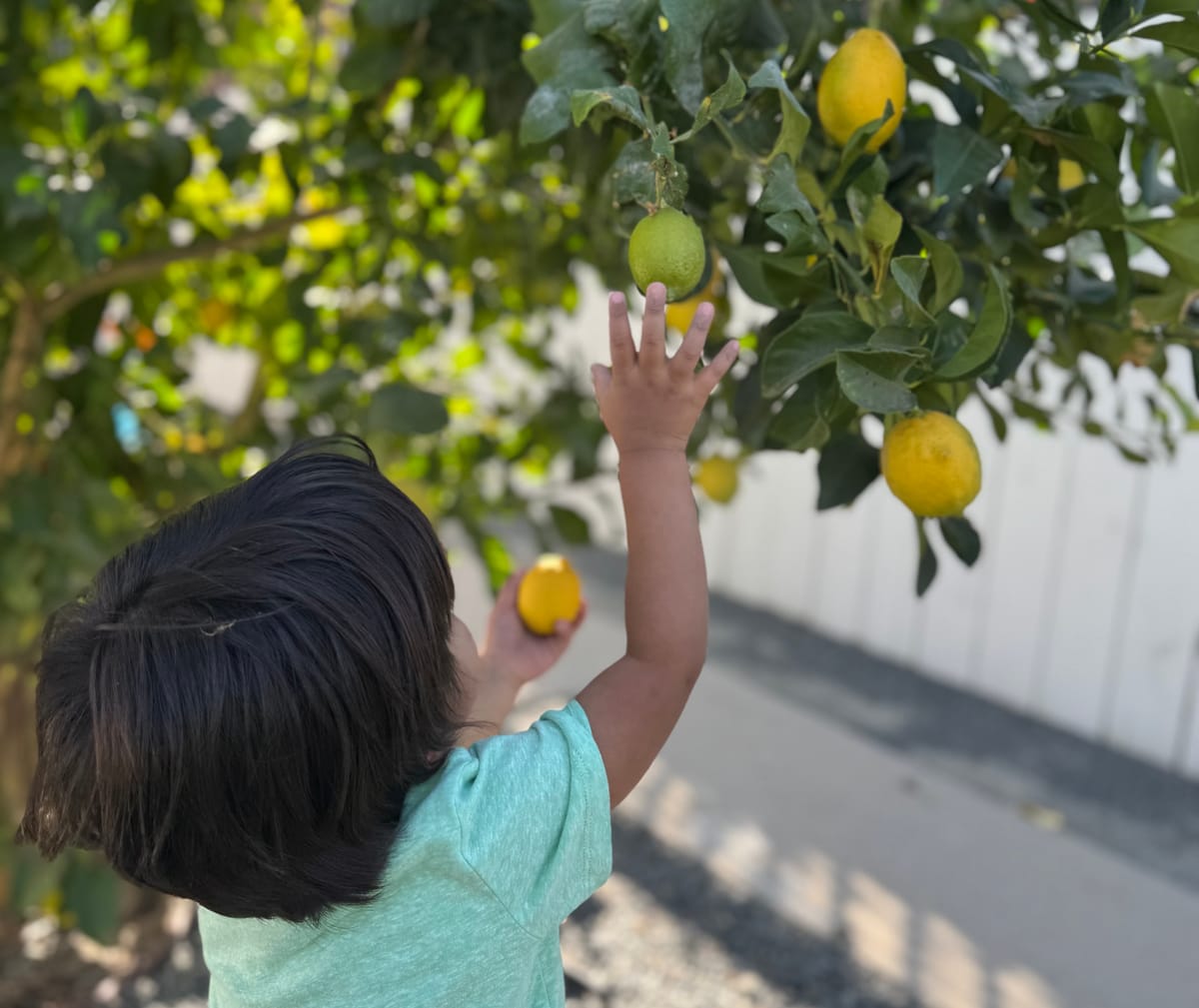
Feeding a picky toddler (especially a neurodivergent one) can feel unpredictable and overwhelming. Sensory sensitivities, food rigidity, and strict preferences can turn mealtimes into a daily negotiation. Over time, I have learned a few practical approaches that keep meals calmer and more successful in my home. I hope some of these ideas help you too.
1. Keep Meals Predictable and Low Pressure
Many neurodivergent toddlers respond well to consistency. New foods usually go over better when they are introduced quietly and without any expectations. I serve them in very small amounts and include at least one or two safe foods that my toddler always accepts. Keeping my tone neutral helps a lot. I avoid celebrating bites or showing disappointment if the new food goes untouched. A calm environment does more for exploration than pressure ever will.
2. Use Compartments to Reduce Sensory Stress
For many picky eaters, mixed foods or touching textures can feel overwhelming. Compartment plates help create a sense of order and control.
I recommend trying out a Snacklebox like this to give them some control over the process of exploring new foods. The separate sections help kids process what is on the plate, and the suction bottom prevents accidental spills that can cause stress. If your kiddo is easily overstimulated by too many compartments, try a simpler stainless steel plate like these. They don't retain dish soap residue and they keep food warm longer!
3. Lean Into Texture Wins
If a toddler prefers certain textures, it helps to use those preferences as a starting point. Some kids feel safer with crunchy foods, while others tolerate smooth or uniform textures. Once you know which textures work well, you can offer new foods in a familiar form. For example, if crunchy foods feel comfortable, crispy veggie fries or thin chicken strips may be easier to accept than softer versions.
4. Rotate Favorites with Small, Predictable Variations
Toddlers often love sameness, but they can still benefit from gentle variety. I keep the basic meal structure the same and change very small details. Examples include adding a single pea next to familiar macaroni, cutting a favorite nugget into a new shape, or serving the usual cereal in a muffin cup instead of a bowl. These small shifts support exposure without overwhelming the child.
5. Offer Tools That Make Eating Feel Safe or Interesting
A small change in utensils can make a big difference. Some neurodivergent toddlers dislike silicone textures, while others feel more invested when they get to use a grown-up style tool.
Helpful products:
-This Chefclub toddler knife is my favorite food-related purchase for my 4-year-old. It's safe, easy to use, and it actually cuts a variety of foods very cleanly. It's been a game changer having him help in the kitchen.
-These toddler-safe shape cutters allow your kiddo to help prepare their lunch in a fun way. I have created a handful of new safe foods for my son by allowing him to cut the unfamiliar food into fun shapes.
6. Keep Portions Very Small
Large portions can feel visually stressful for kids who are already hesitant around food. I keep servings tiny, sometimes only a few blueberries or tiny portion of noodles. This keeps the plate approachable, and they can always have more.
7. Build on Foods They Already Accept
With picky eating, it's hard to expect to jump from chicken nuggets to broccoli. Offer adjacent foods slowly; it's a win when those are accepted! Here are some example of safe-adjacent foods I've offered and were eventually accepted as a safe option by my toddler:
Ruffles -> Chicken Protein Chips
String cheese cut into shapes -> Cracker cut cheddar slices
Bread slices -> Croissants
8. Model Eating Without Commentary
One of the most effective strategies in my home is simply eating the same food nearby and saying nothing about it. Toddlers are observant, and seeing a caregiver calmly enjoying a food can create curiosity without pressure. Sometimes this curiosity leads to a first taste days or weeks later, and that is perfectly fine.
9. Allow Sensory Exploration Outside of Mealtime
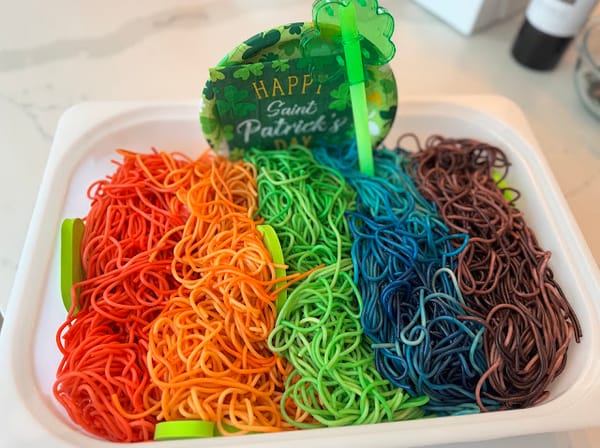
Some toddlers feel more comfortable exploring food during play. Smelling, touching, squishing, or even licking a new food away from the table can help them build familiarity. This kind of play often leads to more confidence later. Check to see if your local recreation center offers any toddler cooking classes.
10. Celebrate Comfort, Not Just Consumption
Progress does not always look like eating. Sometimes success is simply tolerating a new food on the plate. Other times it is touching it or smelling it. These steps matter and deserve recognition. When I shifted my focus to comfort instead of intake, meals became easier for everyone.
Closing Thoughts
Feeding a neurodivergent toddler is not about pushing them to eat in a certain way. It is about supporting their sensory needs and creating an environment where food feels safe and predictable. The long term goal is adding more safe foods to their food library. With calm routines, small exposures, and tools that reduce stress, most toddlers gradually become more open to exploring what is on their plate.